In the complex world of IT management, where systems generate vast amounts of data, making sense of extensive log data can be a real challenge. Today, we will explore how Generative Artificial Intelligence (AI) is reshaping log data analytics at Logmind. We're committed to enhancing our Log Data Intelligence Platform through the capabilities of generative AI, simplifying the process for IT teams to extract valuable insights from their logs.
So, what's Generative AI in simple terms? It's like teaching machines to learn from data patterns and create new, realistic data instances. Imagine it as a digital artist trained on your log data canvas, crafting meaningful information representations. This technology is a game-changer in log analytics, understanding data structures in a way that's never been done before.
Now, let's dig a bit deeper. Generative AI involves models that learn to generate new data instances based on a given dataset. It's not just recognizing patterns; it's about creating entirely new, realistic data. This shift in AI thinking started back in the late 20th century, with milestones like Restricted Boltzmann Machines (RBM) in the 1980s and the introduction of Generative Adversarial Networks (GANs) in 2014. Building on these historical advancements, the field has witnessed remarkable progress, especially with the advent of the most recent Large Language Models which have showcased unprecedented capabilities in natural language understanding and generation.
In the landscape of log data analytics, Generative AI opens up exciting possibilities. One significant impact is its ability to translate natural language queries into queries. This is a game-changer for non-technical users, enabling them to communicate with logs using everyday language. For example, a simple request like "Show me logs from the last hour related to critical errors" easily turns into a precise query, thanks to Logmind's generative AI.
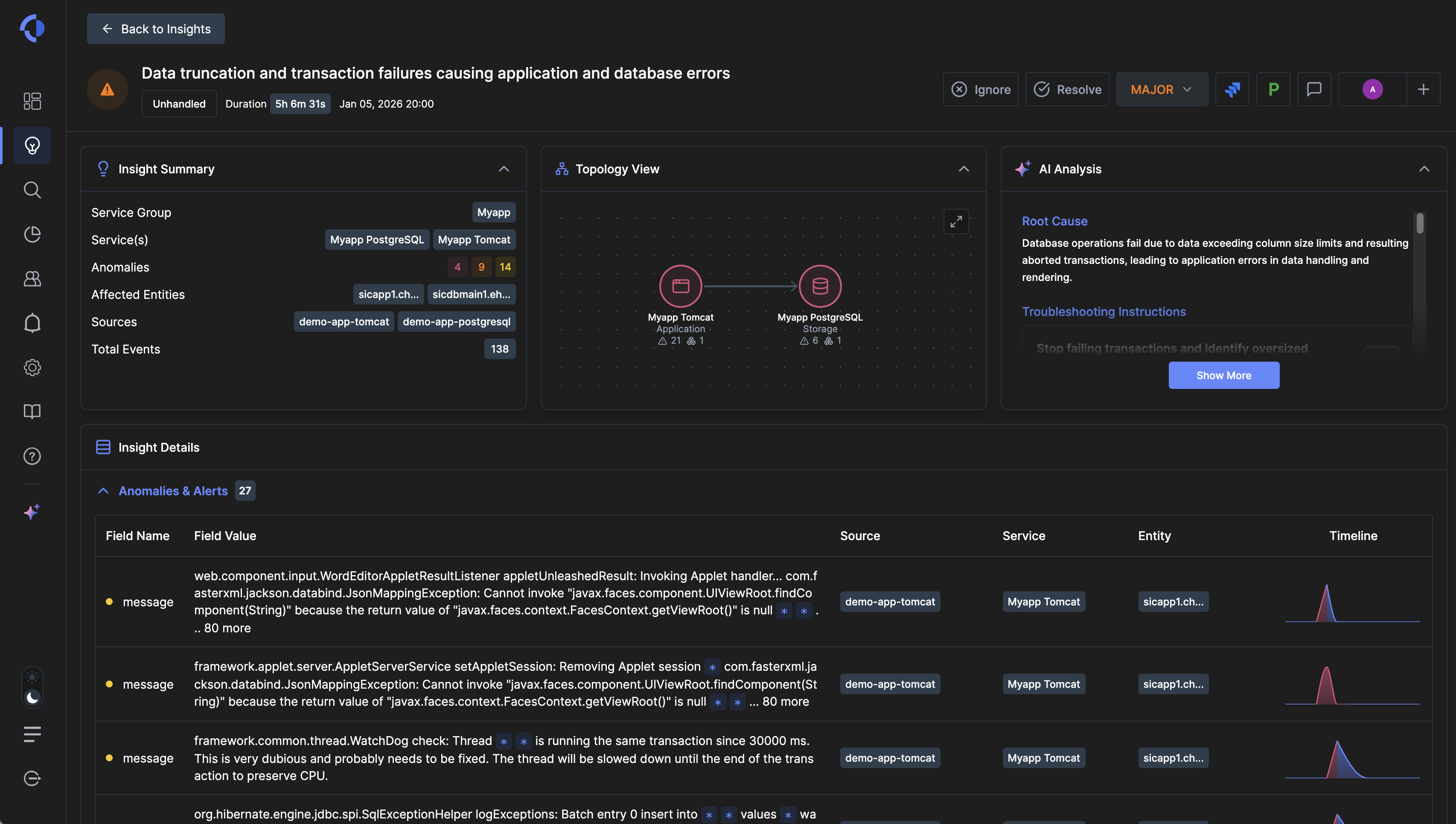
Another important way to use this technology is to help understand and suggest solutions for sequences of critical events. Generative AI works like a virtual data interpreter, making sense of complicated log entries and giving practical advice. This not only saves time in figuring out logs but also helps IT teams be more proactive by dealing with potential issues before they become bigger problems.
In the log data analytics domain, where false alarms and production incidents are common hurdles, the adoption of generative AI becomes a strategic necessity. It helps IT teams to navigate the complexities of log data effortlessly, translating user intent into actionable queries and surfacing critical insights in real-time.
At Logmind, we take pride in actively developing and incorporating generative AI as an integral part of our AIOps and Log Data Intelligence Platform. Our goal is to enhance product functionality and elevate customer experience. As technology evolves, Logmind remains committed to simplifying log data analytics, ensuring generative AI's transformative power benefits our clients' IT operations.